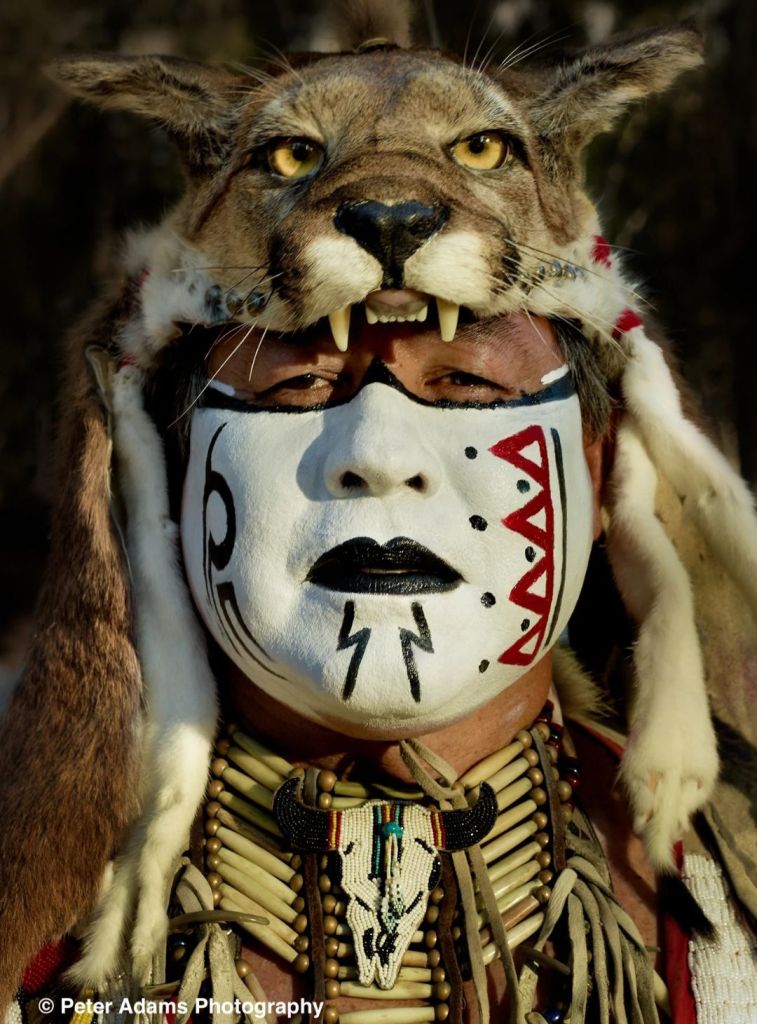
So, this past Monday was Indigenous Peoples’ Day… a day created to recognize Native Americans and to move away from recognizing Columbus Day.
As to be expected (social media facilitating what amounts to one massive pool of “letters to the editor”), it’s not something that settles well with everyone. There’s a range of arguments against moving away from Columbus, including the argument that European colonization did nothing that wasn’t already being done (pre-Columbian warfare between tribes… even in the name of expansionism and/or migration). Yet, shallow responses such as these reflect shallow thinking (ok, that is snarky of me, but, sorry, not sorry).
For one, the desire to TAKE land from others to have land for “your own” is something that we all need to think about. Many who have taken DNA tests can see evidence of the practice throughout history. In my own (I’ve tested with five different companies to analyze the consistencies and inconsistencies between companies), I can see evidence of Roman, Brittonic, Anglo-Saxon, and Viking expansion (and a hint of connection to activity in the Baltic region). In the DNA world, that’s a reflection of genetic “admixture”… and it’s a story inevitably tied to human existence. You can’t escape it. It happened in the past, and it’s just going to continue. Yet, perhaps since we’ve had world history in our education, we benefit (well, many of us benefitted from learning world history, and it’s clear from social media comments that many others did not… maybe they slept through it) from being more cognizant than earlier generations (that’s probably worthy of another discussion on another day). In short, could it not be that we can better see the bigger historical picture… the injustices… and wince? I could go down a few more rabbit holes with this, but that will do for the moment.
So, let’s say that this is lesson one.
Going further, as an animist, I’m regularly looking at parallels between Native American beliefs and those of pre-Christian Europe (and other places across the globe). Perhaps what strikes me most is how different cultures across the globe came to strikingly similar spiritual conclusions, yet without traceable evidence of influence from the others. Now, don’t get me wrong… I’ve also seen how cultures adopted beliefs from other cultures, and they remolded them to better fit their people within a certain geographic area. Ultimately, because this is global, these parallels… especially when so geographically removed from each other… also suggest something that is simply… natural (even if different, strikingly similar). The point is that the stories of the spirituality of Indigenous peoples is a significant key to thinking more broadly. When we see parallels in beliefs across the globe, I argue that we see “alignment” vs. say, “having jumped the track”… natural vs. not so natural.
I think the meaning of Indigenous Peoples’ Day varies from person to person, but in the back of my head, I keep hearing a quote echoing from Vine Deloria, Jr. (God is Red, 1973)…
Who will find peace with the lands? The future of humankind lies waiting for those who will come to understand their lives and take up their responsibilities to all living things. Who will listen to the trees, the animals and birds, the voices of the places of the land? As the long forgotten peoples of the respectful continents rise and begin to reclaim their ancient heritage, they will discover the meaning of the lands of their ancestors. That is when the invaders of the North American continent will finally discover that for this land, God is red.
I see the day as an opportunity for much more profound thinking as to our existence and our connection with everything around us. It depends on how one looks at it, but it doesn’t have to be a day in which we look at a people different than ourselves and just feel sorry for them, for the injustices they experienced. If that’s all you see in the day, I think the value is missed. Think bigger. Take the stories of people, look at how our stories (think deep genetic) are actually aligned with each other, and how the problematic lessons of the past suggest how we might move forward to benefit each other and the planet on which we live. Indigenous Peoples’ Day is a gift to us all… if we listen.
 The Wild Pretanī